Our New Products
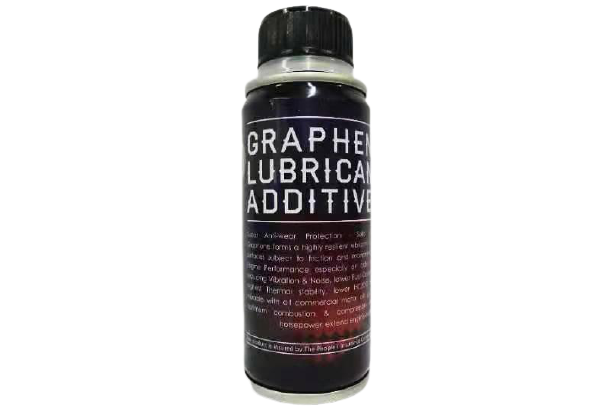
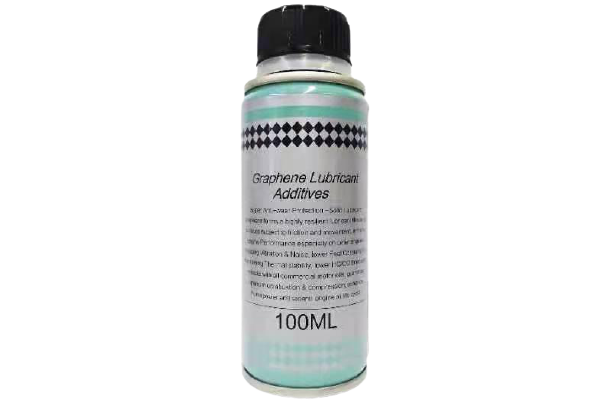
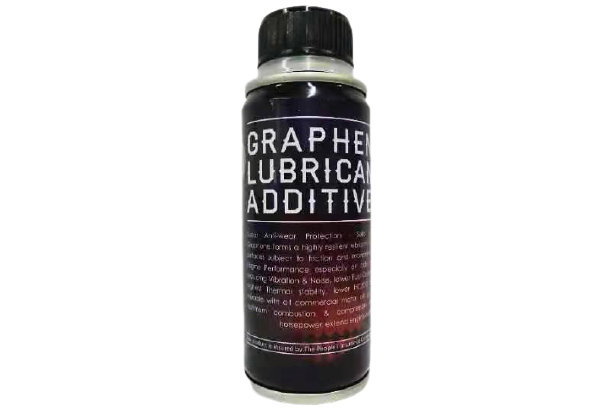
Our Products
We provide high quality petroleum products
Liquefied Petroleum Gas (LPG)
Liquefied Petroleum Gas (LPG)
Liquefied petroleum gas (LPG), also called LP gas, any of several liquid mixtures of the volatile hydrocarbons propene, propane, butene, and butane. It was used as early as 1860 for a portable fuel source, and its production and consumption for both domestic and industrial use have expanded ever since. A typical commercial mixture may also contain ethane and ethylene, as well as a volatile mercaptan, an odorant added as a safety precaution.Liquefied petroleum gas (LPG) is recovered from “wet” natural gas (gas with condensable heavy petroleum compounds) by absorption. The recovered product has a low boiling point and must be distilled to remove the lighter fractions and then be treated to remove hydrogen sulfide, carbon dioxide, and water. The finished product is transported by pipeline and by specially built seagoing tankers. Transportation by truck, rail, and barge has also developed, particularly in the United States.LPG reaches the domestic consumer in cylinders under relatively low pressures. The largest part of the LPG produced is used in central heating systems, and the next largest as raw material for chemical plants. LPG commonly is used as fuel for gas barbecue grills and gas cooktops and ovens, for gas fireplaces, and in portable heaters. In Europe, LPG water heaters are common. It is also used as an engine fuel and for backup generators. Unlike diesel, LPG can be stored nearly indefinitely without degradation. Compare liquefied natural gas.Liquefied Natural Gas (LNG)
Liquefied Natural Gas (LNG)
LNG is natural gas that has been cooled to –260° F (–162° C), changing it from a gas into a liquid that is 1/600th of its original volume. This dramatic reduction allows it to be shipped safely and efficiently aboard specially designed LNG vessels. Chevron’s fleet of specialized ships link worldwide LNG production and regasification facilities to create a safe, reliable and efficient network to transport liquefied natural gas around the world. LNG ships are equipped with sophisticated leak detection technology, emergency shutdown systems, advanced radar and positioning systems, and numerous other technologies designed to ensure the safe and secure transport of LNG.Light Cycle Oil
Light Cycle Oil
The processing of light cycle oil (LCO) for diesel fuel production by the hydrotreating (HDT) process is under general re-evaluation because of current stringent environmental regulations. The low-quality of LCO with high sulfur and nitrogen, and a high percentage of diaromatic hydrocarbons, limits the possible upgrading alternatives. A HDT step, involving hydrodesulfurization, hydrodenitrogenation, and partial hydrodearomatization, is combined with a hydrocracking (HYC) step for producing (1) high-quality fuels (high-octane gasoline and ultralow sulfur diesel) and a (2) benzene, toluene, and xylenes (BTX) enriched fraction. In this review studies regarding the HDT-HYC process for producing such products from real feedstocks are considered, with the aim to provide the state of the art developments for LCO upgrading.Naphtha
Naphtha
The main uses of petroleum naphtha fall into the general areas of (1) precursor to gasoline and other liquid fuels, (2) solvents (diluents) for paints, (3) drycleaning solvents, (4) solvents for cutback asphalts, (5) solvents in rubber industry, and (6) solvents for industrial extraction processes. The key difference between naphtha and gasoline is that the naphtha describes the more volatile forms of petroleum whereas gasoline is a petroleum-derived fuel. … Gasoline, on the other hand, is a fuel that contains hydrocarbons containing around 4 to 12 carbon atoms per each.Gasoline
GASOLINE
Fuels such as 95 or 98 RON (octane rating number) have a higher resistance to burn which indicates higher levels of energy available for the vehicle’s engine. According to NRMA motoring expert Jack Haley, on average 95 RON can give around 4 per cent lower fuel consumption than 91, assuming the engine computer adjusts to take advantage of the octane difference. Using 98 might give 3 per cent reduction over 95, again assuming the computer adjusts the engine parameters. 11 ASPO ENERGY LTD. Gasoline 95 Automotive Gas oil, also known as diesel, is generated from crude distillation process and is used to efficiently power internal combustion diesel engines.Our diesel conforms to the specifications from the Department of Petroleum Resources (DPR). Automotive Gas Oil, or AGO, is the name given to fuel intended for use in road vehicles (trucks, buses, vans and cars) powered by diesel engines. AGO is used in two main types of vehicle: Heavy-duty vehicles, such as trucks and buses. Light-duty vehicles, such as vans and passenger cars. 12 ASPO ENERGY LTD.Diesel fuel Euro 5
Diesel Fuel Euro 5
EN590 Ultra Low Sulfur Diesel
EN590 Ultra Low Sulfur Diesel
EN590 was introduced to coincide with the development of new emissions standards across the European Union. The overall goal has been to reduce the sulphur content of diesel fuel. Sulphur had been used as a lubricant in the fuel. Its role is taken by special additives in ULSD. Since 2007, diesel that conforms to EN590 has been referred to as Ultra Low Sulphur Diesel (ULSD) in the European Union. The phrase “Ultra Low Sulphur Diesel” is governed by different standards in other parts of the world. EN590 describes the physical properties that all automotive diesel fuel must meet if it is to be sold in the European Union, Croatia, Iceland, Norway and Switzerland.
Automotive Gas Oil (AGO)
Automotive Gas Oil (AGO)
Automotive Gas oil, also known as diesel, is generated from crude distillation process and is used to efficiently power internal combustion diesel engines.Our diesel conforms to the specifications from the Department of Petroleum Resources (DPR). Automotive Gas Oil, or AGO, is the name given to fuel intended for use in road vehicles (trucks, buses, vans and cars) powered by diesel engines. AGO is used in two main types of vehicle: Heavy-duty vehicles, such as trucks and buses. Light-duty vehicles, such as vans and passenger cars.
Mazut M100 All Types
MAZUT M100 ALL TYPES
Mazut is a heavy, low quality fuel oil, used in generating plants and similar applications. In the United States and Western Europe, mazut is blended or broken down, with the end product being diesel. Mazut-100 is a fuel oil that is manufactured to GOST specifications, for example GOST 10585-99. Mazut is almost exclusively manufactured in the Russian Federation, Kazakhstan, Azerbaijan, and Turkmenistan. The most important thing when grading this fuel is the sulphur content.Russian Export Blend Crude Oil
Russian Export Blend Crude Oil
Russian Export Blend Crude Oil (REBCO), also known as Urals oil, is a medium gravity sour crude. It is a mix of heavy oil from the Urals and the Volga region with light oil of Western Siberia, set for delivery at storage and terminal installations at the port of Primorsk in Russia. It is an oil brand used as a basis for pricing for Russian oil exports.REBCO futures are traded at the NYMEX under ticker symbol R2. Contract size is 1,000 barrels with a contract price quoted in US Dollars and Cents per barrel. Delivery dates take place every month of the year.Jet /Aviation Turbine Fuel
Jet /Aviation Turbine Fuel
Jet fuel or aviation turbine fuel (ATF, also abbreviated avtur) is a type of aviation fuel designed for use in aircraft powered by gas-turbine engines. It is colorless to straw-colored in appearance. The most commonly used fuels for commercial aviation are Jet A and Jet A-1, which are produced to a standardized international specification. The only other jet fuel commonly used in civilian turbine-engine powered aviation is Jet B, which is used for its enhanced cold-weather performance.Superior Kerosene Oil
Superior Kerosene Oil
Kerosene, also known as paraffin, lamp oil, and coal oil (an obsolete term), is a combustible hydrocarbon liquid which is derived from petroleum. It is widely used as a fuel in industry as well as households.Kerosene is widely used to power jet engines of aircraft (jet fuel) and some rocket engines and is also commonly used as a cooking and lighting fuel.Aviation Kerosene jet fuel (TS-1)
Aviation Kerosene jet fuel (TS-1)
TS-1 is a jet fuel made to Russian standard GOST 10227 for enhanced cold-weather performance. It has somewhat higher volatility than Jet A-1 (flash point is 28 °C (82 °F) minimum). It has a very low freezing point, below −50 °C (−58 °F). Boiling point: 176 °C (349 °F; 449 K) Flash point: 38 °C (100 °F; 311 K) Melting point: −47 °C (−53 °F; 226 K)Jet A1
Jet A1
Jet fuel is a mixture of a variety of hydrocarbons. Because the exact composition of jet fuel varies widely based on petroleum source, it is impossible to ...- Boiling point: 176 °C (349 °F; 449 K)
- Melting point: −47 °C (−53 °F; 226 K)
- Flash point: 38 °C (100 °F; 311 K)
- Density: 775-840 g/L
Petroleum Coke
Petroleum Coke
Petroleum coke, abbreviated coke or petcoke, is a final carbon-rich solid material that derives from oil refining, and is one type of the group of fuels referred to as cokes. Petcoke is the coke that, in particular, derives from a final cracking process—a thermo-based chemical engineering process that splits long chain hydrocarbons of petroleum into shorter chains—that takes place in units termed coker units.Russian Crude oil ESPO
Russian Crude oil ESPO
Premiums of Russia's ESPO Blend crude rose to multi-month highs in the current month amid expectations that Chinese refineries may look to maximize their middle distillate production following the implementation of an import tax.Virgin Fuel oil D6
Virgin Fuel Oil D6
D6 is a type of residual fuel, mainly used in power plants and larger ships. The fuel requires to be preheated before it can be used. It is not possible to use it in smaller engines or vessels/vehicles where it is not possible to pre-heat it. D6 is its name in the USA. In other parts of the world it has other names. Residual means the material remaining after the more valuable cuts of crude oil have boiled off. The residue may contain various undesirable impurities including 2 percent water and one-half percent mineral soil. D6 fuel is also known as residual fuel oil (RFO), by the Navy specification of Bunker C, or by the Pacific Specification of PS-400.High-Speed Diesel
High-Speed Diesel
High Speed Diesel (HSD) HSD is normally used as a fuel in medium and high speed compression ignition engines (operating) above 750 rpm) in commercial vehicles, stationary diesel engines, locomotives and pumps etc.- B) Port fuel: 1
- Injector deposit (PFI): 2